Compare prices, find the best online semaglutide programs, and learn everything about Wegovy, Ozempic & compounded options
Updated January 2026 • Medically reviewed
Quick answer for 2026
With insurance: Your cost depends on coverage, prior authorization requirements, and copay/coinsurance. Many plans cover Ozempic for diabetes but not Wegovy for weight loss.
Prices verified January 2026. Individual costs vary by provider, dose, and location.
Semaglutide cost varies significantly depending on whether you're getting brand-name medication (Wegovy, Ozempic, Rybelsus) or compounded semaglutide through a telehealth provider. Here's what you can expect to pay in 2026:
| Option | Typical Cost | Notes |
|---|---|---|
| Wegovy (brand) | $1,000–$1,350/month | FDA-approved for weight loss; often not covered by insurance |
| Ozempic (brand) | $900–$1,200/month | FDA-approved for diabetes; better insurance coverage |
| Rybelsus (oral) | $900–$1,100/month | Daily tablet; no injections required |
| Compounded semaglutide | $149–$499/month | Through telehealth; includes consultations |
Brand-name semaglutide is expensive because Novo Nordisk holds the patent and there's no generic version available yet. The high demand for weight loss medications has also kept prices elevated. Insurance coverage is inconsistent—most plans cover Ozempic for Type 2 diabetes but many exclude Wegovy for weight management.
Without insurance, you'll pay the full retail price of $900–$1,350 per month for brand-name semaglutide. This is why many patients turn to compounded semaglutide, which costs $149–$499/month through legitimate telehealth programs—often the most affordable semaglutide option for those paying out-of-pocket.
Finding affordable semaglutide requires understanding all your options. Here are the legitimate ways to get semaglutide at the lowest cost, ranked by typical out-of-pocket expense:
If your insurance covers semaglutide, this is typically the cheapest option. Ozempic has better coverage than Wegovy since it's approved for diabetes.
The best online semaglutide programs offer compounded semaglutide at a fraction of brand-name prices. This is often the cheapest semaglutide online for patients without insurance coverage.
Novo Nordisk offers savings programs for eligible patients with commercial insurance. Not available for Medicare, Medicaid, or uninsured patients.
In-person clinics may offer compounded semaglutide, but typically at higher prices than telehealth due to overhead costs.
Looking for the best place to get semaglutide? We've reviewed over 30 telehealth providers to find the best online semaglutide programs. Here are our top picks based on price, service quality, and patient reviews:
Only get compounded semaglutide from providers that use FDA-registered 503B compounding pharmacies. All providers listed above meet this standard. Avoid overseas pharmacies or sources that don't require a prescription.
Semaglutide is a medication that has fundamentally transformed how doctors approach the management of Type 2 diabetes and obesity.
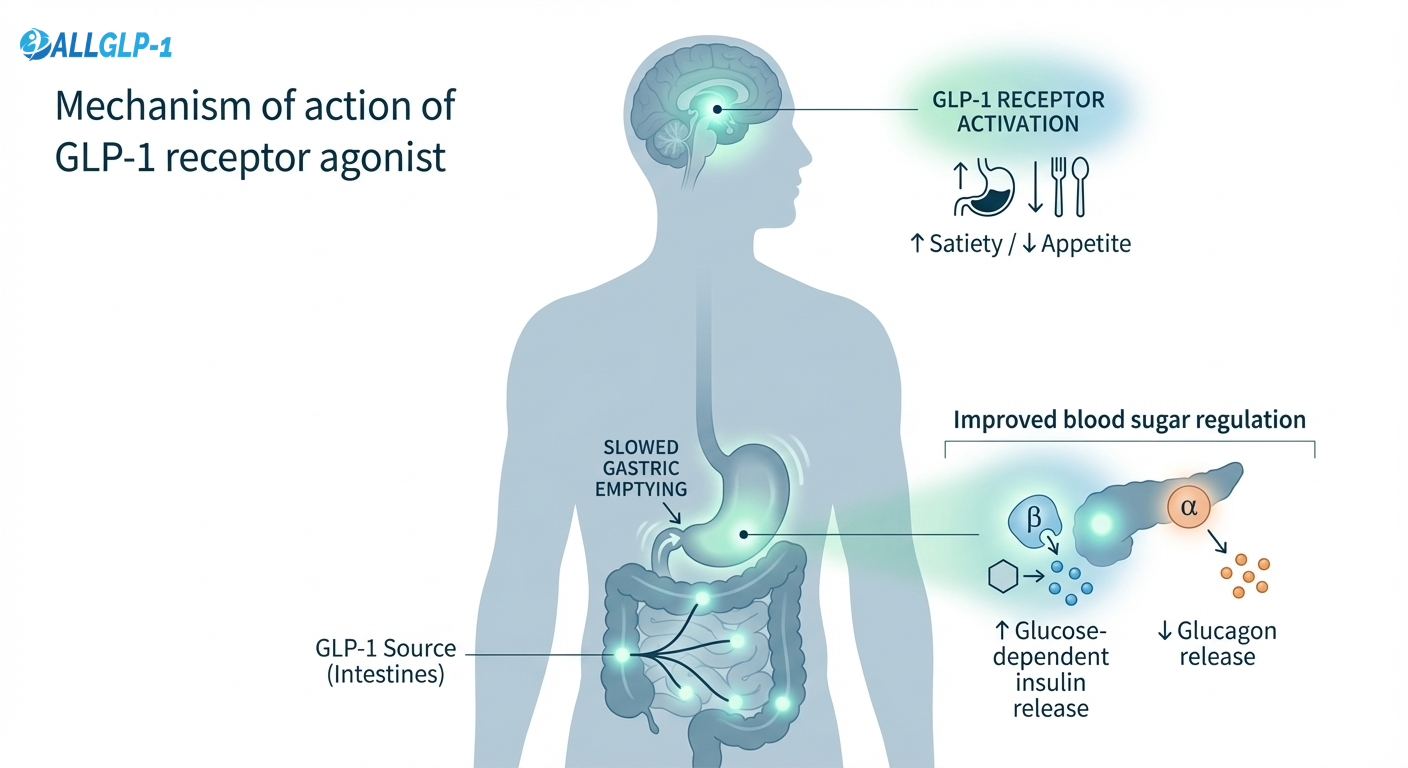
It works by mimicking a natural hormone in your body called GLP-1 (glucagon-like peptide-1), which plays a crucial role in regulating both blood sugar levels and appetite.
This comprehensive guide will walk you through everything you need to know about Semaglutide—from how it works in your body, to its remarkable benefits for blood sugar control and weight management, to understanding potential side effects and how to manage them effectively.
Many people living with diabetes or weight concerns have found Semaglutide to be a powerful tool in their health journey, helping them achieve meaningful improvements in their wellbeing.
Semaglutide is a synthetic analog of the human GLP-1 hormone. This means scientists have designed it to closely replicate the beneficial effects of a hormone your body naturally produces.
GLP-1 is an incredibly important hormone for maintaining healthy blood sugar levels. After you eat a meal, your gut releases GLP-1, which then signals your pancreas to produce insulin—the hormone that helps your cells absorb glucose from your bloodstream.
Helps your pancreas release insulin after meals, lowering blood sugar naturally.
Promotes feelings of fullness, naturally reducing appetite and food intake.
Reduces glucagon production, preventing your liver from releasing excess sugar.
At the same time, GLP-1 reduces the release of glucagon—another hormone that typically raises blood sugar by prompting your liver to release stored glucose. By suppressing glucagon, Semaglutide helps keep blood sugar levels stable.
Perhaps equally important for many patients, GLP-1 also sends signals to your brain that promote feelings of fullness and satisfaction after eating. This appetite-suppressing effect makes Semaglutide particularly valuable for weight management.
Semaglutide is marketed under several well-known brand names, each designed for specific purposes and patient needs. Understanding the differences between these brands will help you and your healthcare provider choose the best option for your situation.

Ozempic is primarily prescribed for the management of Type 2 diabetes. It's administered as a once-weekly subcutaneous injection and has been shown to effectively lower HbA1c levels while also providing cardiovascular benefits for patients at risk of heart disease.

Wegovy is specifically approved for chronic weight management. While it contains the same active ingredient as Ozempic, it's available in higher doses tailored specifically for weight loss. It's also administered as a weekly injection and is typically prescribed alongside lifestyle changes.
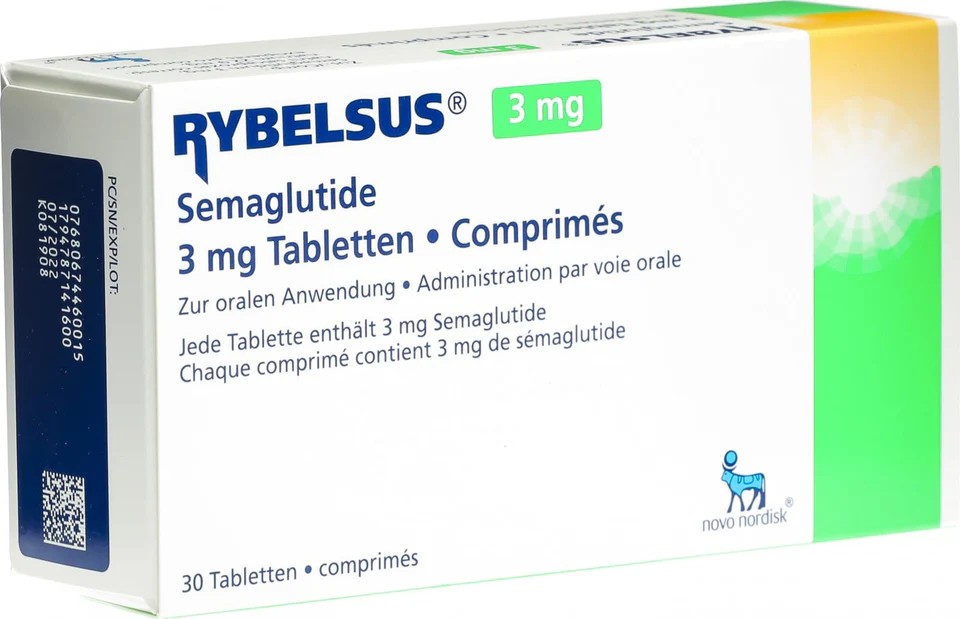
Rybelsus offers an innovative oral formulation of Semaglutide, providing a convenient daily tablet option for individuals who prefer not to use injections. It's primarily used for Type 2 diabetes management and must be taken on an empty stomach with a small amount of water.
Beyond its benefits for diabetes, Semaglutide has emerged as a powerful tool for weight management, particularly for people living with obesity or those whose weight is affecting their health.

In pivotal clinical studies, participants using Semaglutide for weight loss achieved remarkable results. On average, patients lost approximately 15% of their body weight over 68 weeks (about 16 months) of treatment.
To put this in perspective, for someone weighing 200 pounds, this would represent a weight loss of about 30 pounds—a meaningful change that can significantly impact health outcomes and quality of life.
Average weight loss
Treatment duration
Weekly dose for weight loss
Many patients also reported improved energy levels and a significant enhancement in their overall sense of wellbeing associated with their weight loss. These findings highlight Semaglutide's effectiveness as a weight management option.
The typical starting dose of Semaglutide for weight management is 0.25 mg once weekly. This dose is then gradually increased every four weeks until reaching the target dose of 2.4 mg once weekly.
This careful, stepwise approach to dosing is crucial—it helps your body adjust to the medication gradually, minimizing potential side effects while building toward the most effective dose.
It's essential to follow your healthcare provider's specific instructions for dose adjustments to ensure the treatment is both safe and effective for your individual needs.
Semaglutide has demonstrated considerable advantages in managing Type 2 diabetes and significantly improving cardiovascular health. Multiple large-scale clinical studies have validated its effectiveness.
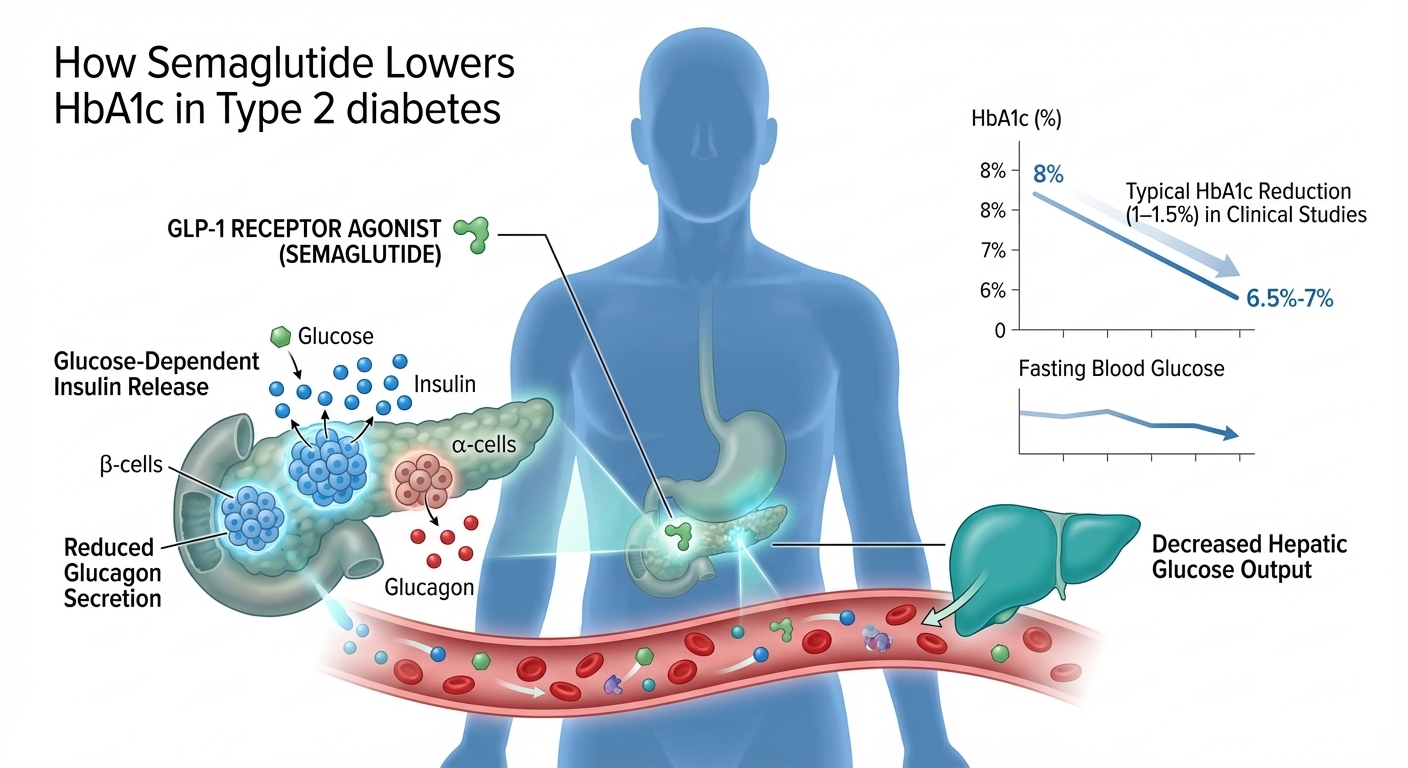
Studies consistently show that Semaglutide can lower HbA1c—a key marker of long-term blood sugar control—by approximately 1% to 1.5% in people with Type 2 diabetes. This happens because it helps the body produce more insulin while reducing glucagon.
Clinical trials have also demonstrated that patients experience improved fasting blood sugar levels, providing strong evidence that Semaglutide works effectively for sustained blood sugar control.
"We observed a significantly decreased mean HbA1c level following semaglutide treatment (7.79% at study end vs. 8.07% at baseline) and body weight (84.64 ± 7.68 vs. 87.15 ± 8.011). Compared with baseline, we observed significantly improved mean average glucose, glucose variability, time above range, and time in range."— Al Hayek AA, 2022, Evaluation of patient-reported satisfaction and clinical efficacy of once-weekly semaglutide
Perhaps even more significantly, Semaglutide has been shown to reduce the risk of major cardiovascular events by approximately 26%. This includes heart attacks, strokes, and cardiovascular death.
Two major cardiovascular trials—SUSTAIN and PIONEER—provided compelling evidence. In people with Type 2 diabetes at high risk of cardiovascular events, there were fewer major adverse cardiovascular events with Semaglutide compared to placebo.
The hazard ratio was 0.74 for once-weekly subcutaneous Semaglutide and 0.79 for once-daily oral Semaglutide, demonstrating meaningful cardiovascular protection regardless of formulation.
Semaglutide also contributes to heart health by helping lower blood pressure (typically by 5-10 mmHg) and improving cholesterol and triglyceride levels—all important factors for overall cardiovascular wellbeing.
Most people tolerate Semaglutide well, but like any medication, it can cause side effects. Understanding what to expect and how to manage potential side effects will help you have the best possible experience with this treatment.
The most common side effects are gastrointestinal in nature. These include nausea, vomiting, diarrhea, and stomach pain. The good news is that these effects are usually mild to moderate and tend to improve over time as your body adjusts to the medication.
In rare cases, more serious side effects can occur. These include:
If you notice any unusual or persistent symptoms, contact your healthcare provider right away.
There are several practical strategies that can help prevent or minimize side effects:
Begin with a low dose and gradually increase as your doctor recommends. This gives your body time to adjust.
Drinking plenty of water throughout the day can help minimize gastrointestinal discomfort.
Eating smaller, more frequent meals instead of large ones can help ease stomach problems and nausea.
Staying in regular contact with your healthcare provider is essential. They can help address any concerns, adjust your treatment plan if needed, and ensure you're getting the most benefit from your medication.
Semaglutide's path to global prominence was paved by two massive clinical trial programs: **SUSTAIN** (focused on Type 2 Diabetes) and **STEP** (Semaglutide Treatment Effect in People with obesity). These trials definitively proved semaglutide's superior efficacy compared to previous GLP-1 medications.
New England Journal of Medicine, 2021
This landmark trial followed 1,961 adults with obesity or overweight without diabetes. Participants received 2.4mg of semaglutide weekly alongside lifestyle interventions.
The recent SELECT trial showed that semaglutide 2.4mg reduces the risk of major adverse cardiovascular events (MACE) by **20%** in adults with overweight or obesity and established cardiovascular disease.
In head-to-head comparisons for diabetes, semaglutide showed superior HbA1c reduction compared to earlier generation GLP-1s like Trulicity (dulaglutide).
Semaglutide has a longer half-life (~7 days), allowing for once-weekly dosing while maintaining more stable blood concentrations than daily alternatives.
This trial evaluated the impact of switching to placebo after 20 weeks. Those who stayed on semaglutide continued to lose weight, while the placebo group regained.
Continuous GLP-1 activation is necessary to maintain the metabolic shift required for long-term weight management.
Semaglutide works by augmenting the "incretin effect"—a hormonal response that is often blunted in individuals with Type 2 diabetes or obesity. By providing a stable, high-affinity version of the GLP-1 hormone, semaglutide restores this signaling pathway.
Crucially, semaglutide's mechanism is **glucose-dependent**. It stimulates insulin secretion only when blood sugar levels are high, which significantly reduces the risk of hypoglycemia compared to older treatments like insulin or sulfonylureas.
Clinical data for semaglutide indicates that obesity is a chronic metabolic condition. Similar to hypertension or high cholesterol, the medication works by managing the underlying biology. When treatment stops, those biological drivers often return, leading to weight regain.
Most patients find success by transitioning to a "maintenance dose" once they reach their target weight. This dose is the lowest amount of medication required to maintain weight loss and control "food noise."
In a follow-up to the landmark STEP-1 trial, participants were monitored for one year after stopping semaglutide 2.4mg. On average, participants regained **two-thirds** of their lost weight within 52 weeks.
"This underscores the importance of continued support and potentially long-term medication use to sustain the health improvements achieved during active weight loss."
Maintenance isn't just about the scale. Regular lab work to monitor HbA1c, lipid profiles, and kidney function ensures that the medication is continuing to provide systemic health benefits.
Long-term GLP-1 use should always be paired with resistance training. Ensuring you maintain lean muscle mass is the best way to keep your resting metabolic rate (BMR) high.
Obesity medicine specialists increasingly compare semaglutide to insulin for Type 1 Diabetes or statins for heart disease. While some patients can successfully taper off, many will require some level of GLP-1 support long-term to keep the chronic disease of obesity in remission.
Semaglutide has one of the largest and most active online patient communities. From shared tips on managing side effects to celebrating 'Non-Scale Victories' (NSVs), these communities offer invaluable peer support.
"The biggest change was the complete disappearance of my late-night cravings. I can actually keep snacks in the house now without feeling compelled to eat them all."
"I've lost 60 lbs in 10 months. It wasn't always easy, and the nausea was real at first, but it completely changed my relationship with food."
"Don't ignore the importance of protein. I started losing hair around month 4 until I realized I wasn't eating nearly enough protein for my body."
The community has been instrumental in debunking sensationalized media terms like "Ozempic Face." Users clarify that this is simply the natural result of rapid fat loss in the face, a phenomenon seen with any significant weight loss, whether through surgery, diet, or medication.
Increase fiber intake slowly to help manage the most common gastrointestinal side effects.
Many users find that injecting on Friday evening allows them to manage initial side effects over the weekend.
We've reviewed patient-reported strategies to help identify what works.
We encourage you to consult with your healthcare provider to discuss whether Semaglutide is a suitable treatment path for your individual health needs. They can help you understand the benefits and risks in the context of your specific medical history.
Head-to-head trial data, weight-loss outcomes, and cost comparison.
Same drug, different labels — which one fits your situation.
What users actually report, from nausea to fatigue, and what helps.
Ranked providers with verified pricing.
Live semaglutide prices across ~100 providers, verified daily.
The weekly median market price of compounded semaglutide — original data.