Starting Tirzepatide: Your Week-by-Week Survival Guide
From that first injection to the end of month one, here's what actually happens when you start tirzepatide—including the side effects no one warns you about.
The Pre-Injection Reality Check
Before we dive into week-by-week details, let's get one thing straight: starting tirzepatide isn't like flipping a switch. You won't wake up tomorrow with zero appetite and melting pounds. What you will get is a gradual shift that builds over time—if you know what to expect.
Most people start with the 2.5mg dose, injected once weekly. That's not because it's going to work miracles at that level, but because your body needs time to adjust. Think of it as easing into a cold pool instead of cannonballing in.
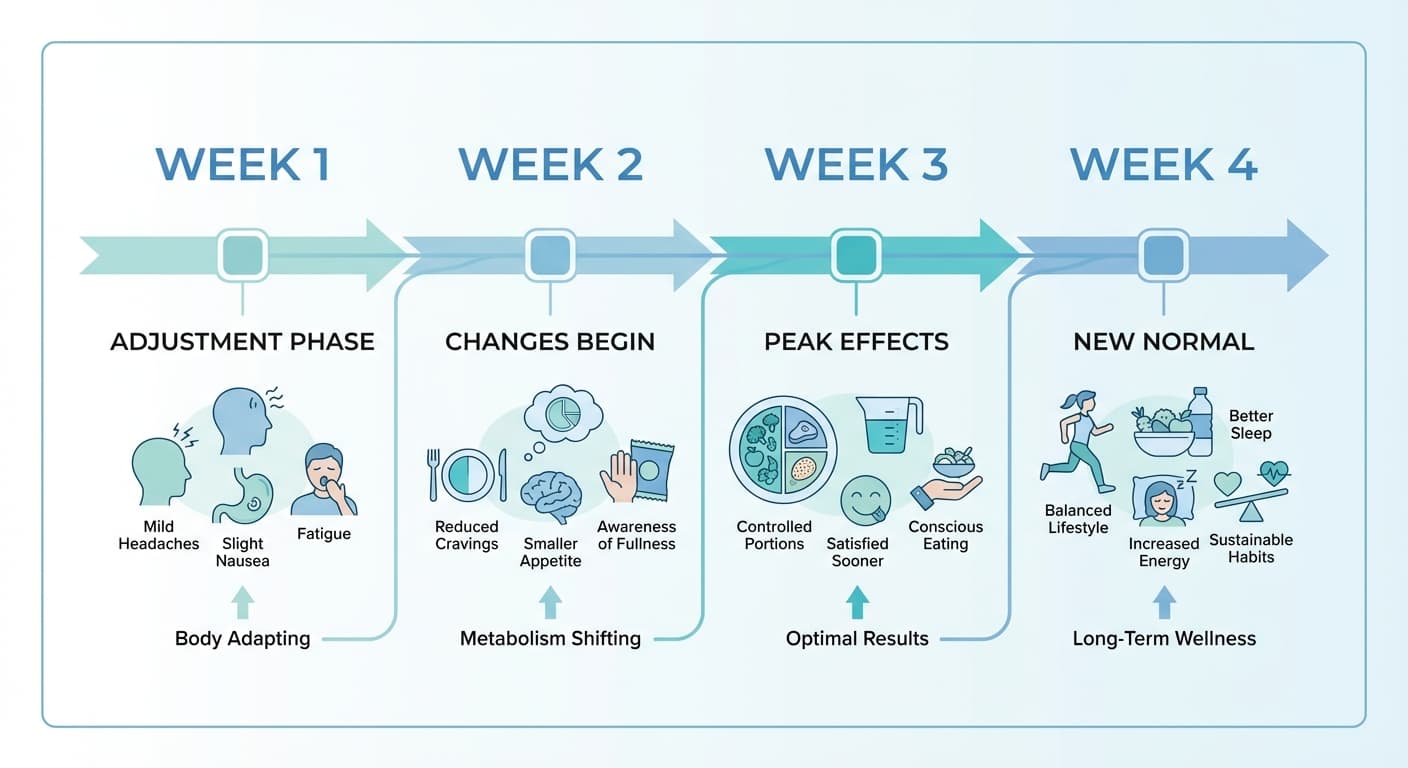
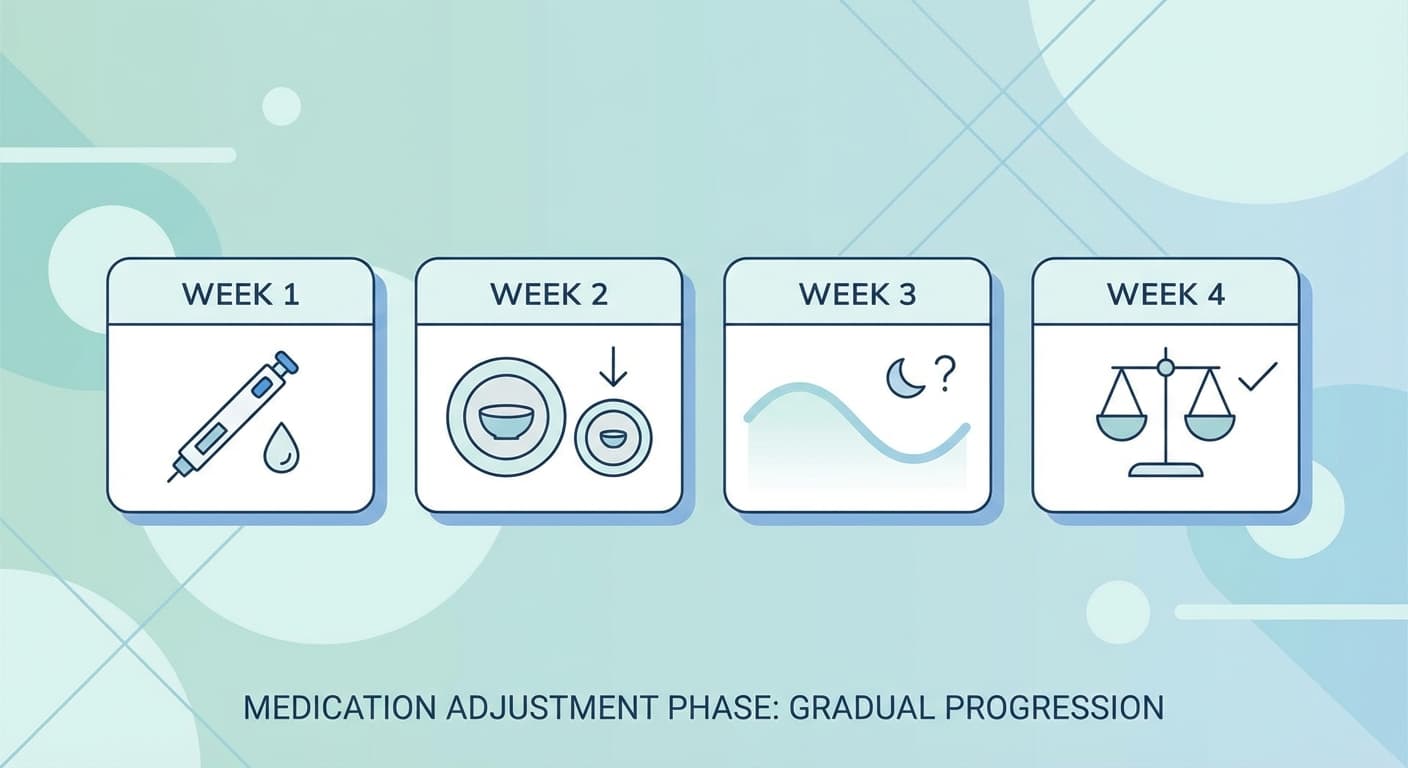
Week 1: The "Is This Thing Working?" Phase
Your first injection might feel anticlimactic. Many people expect immediate changes and feel disappointed when they don't happen. Here's what's actually going on:
Appetite changes: Some people notice they're thinking about food less within 2-3 days. Others feel absolutely nothing different. Both are normal.
Side effects: Nausea is the big one, but it usually starts mild. You might feel slightly queasy after meals or notice certain foods don't appeal to you anymore. About 20% of people experience some nausea in the first week.
Weight changes: Don't even look at the scale yet. Seriously. Your body is still figuring out what's happening, and daily weight fluctuations will drive you crazy.
Real talk: Week 1 is mostly about getting comfortable with the injection routine and paying attention to how your body responds.
Week 2: Things Start Getting Real
This is when most people begin noticing actual changes, though they're often subtle.
The appetite shift: Food thoughts become less intrusive. You might find yourself forgetting to eat lunch or realizing you're satisfied with smaller portions. Don't force yourself to eat if you're not hungry, but don't skip meals entirely either.
Digestive stuff: Nausea might ramp up slightly, especially if you eat too much or too fast. Some people deal with mild constipation as their digestive system slows down. Drink more water than you think you need.
Energy levels: This varies wildly. Some people feel more energetic as they're not dealing with blood sugar spikes. Others feel a bit sluggish as their body adjusts to eating less.
Week 3: Finding Your Rhythm
By week three, you're settling into what life on tirzepatide actually looks like day-to-day.
Portion control becomes automatic: You'll probably notice you're leaving food on your plate without trying. Restaurant portions start looking massive. This is the medication doing exactly what it's supposed to do.
Side effects peak: If you're going to experience nausea, fatigue, or digestive issues, they often peak around week 3. The good news? They typically start improving after this point as your body adapts.
First real weight loss: Many people see their first significant drop on the scale this week. Don't expect dramatic numbers—1-3 pounds is typical and healthy.
Week 4: The New Normal Preview
As you wrap up your first month, you'll get a glimpse of what ongoing treatment might look like.
Stable appetite suppression: The food noise in your head should be significantly quieter. You're eating because you need to, not because you're constantly thinking about it.
Side effects level out: Most people find their side effects either disappear or become much more manageable by week 4. If you're still dealing with severe nausea or other issues, definitely talk to your doctor about adjusting your approach.
Realistic weight loss: Total weight loss for the first month typically ranges from 2-8 pounds, with most people losing 4-6 pounds. That might not sound like much, but it's actually a healthy, sustainable pace.
The Side Effects Nobody Mentions
Beyond the standard nausea and potential digestive issues, here are some things people often experience but don't always connect to the medication:
Food aversions: Certain foods—often rich, fatty, or very sweet ones—might suddenly seem unappetizing or even revolting. This usually isn't permanent, but it can be jarring.
Changed bathroom habits: Constipation is common as your digestive system slows down. Some people experience the opposite. Both typically regulate over time.
Fatigue or headaches: These often happen if you're not eating enough or staying hydrated. Your body is adjusting to running on less fuel.
Emotional reactions: Some people feel anxious about their changing relationship with food. Others worry the medication will stop working. These feelings are normal and usually temporary.
What About [Zepbound](/zepbound) vs Mounjaro?
Whether you're prescribed Zepbound or Mounjaro, you're getting the same active ingredient—tirzepatide. The experience described above applies to both. The main difference is that Zepbound is specifically approved for weight management, while Mounjaro is for diabetes (though doctors prescribe it off-label for weight loss too).
Setting Realistic Expectations
Here's what success actually looks like in month one:
- Eating smaller portions without feeling deprived
- Thinking about food less throughout the day
- Losing 1-2 pounds per week on average
- Learning to manage any side effects
- Developing sustainable eating habits
What success doesn't look like: Dramatic weight loss, complete elimination of cravings, or zero side effects.
Tips for Getting Through Month One
Start slow with meals: Eat smaller portions and chew thoroughly. Your stomach fills up faster now, and eating too much too quickly can trigger nausea.
Stay hydrated: This helps with constipation and can reduce headaches. Aim for more water than you normally drink.
Don't skip meals: Even if you're not hungry, try to eat something small every few hours to maintain stable blood sugar.
Track how you feel: Keep notes about side effects, energy levels, and appetite changes. This helps you and your doctor make adjustments if needed.
Be patient: The full effects of tirzepatide can take 2-3 months to develop. Month one is just the beginning.
When to Call Your Doctor
While most side effects are manageable, contact your healthcare provider if you experience:
- Severe, persistent nausea that prevents you from eating or drinking
- Signs of dehydration
- Severe abdominal pain
- Any symptoms that feel dangerous or unmanageable
The honest answer: Starting tirzepatide requires patience and realistic expectations. Month one is about adjustment, not transformation. But if you can get through these first few weeks and work with the medication instead of against it, you're setting yourself up for long-term success.