
Generic Semaglutide Just Launched in India at 90% Less Cost
Yesterday's patent expiry in India means semaglutide generics are now available for as little as $15 per month. Here's what this could mean for the global GLP-1 market.
The Patent Wall Just Came Down
Yesterday was a big day that most people missed: Novo Nordisk's patent on semaglutide expired in India. Within hours, generic versions hit the market at prices that'll make your jaw drop.
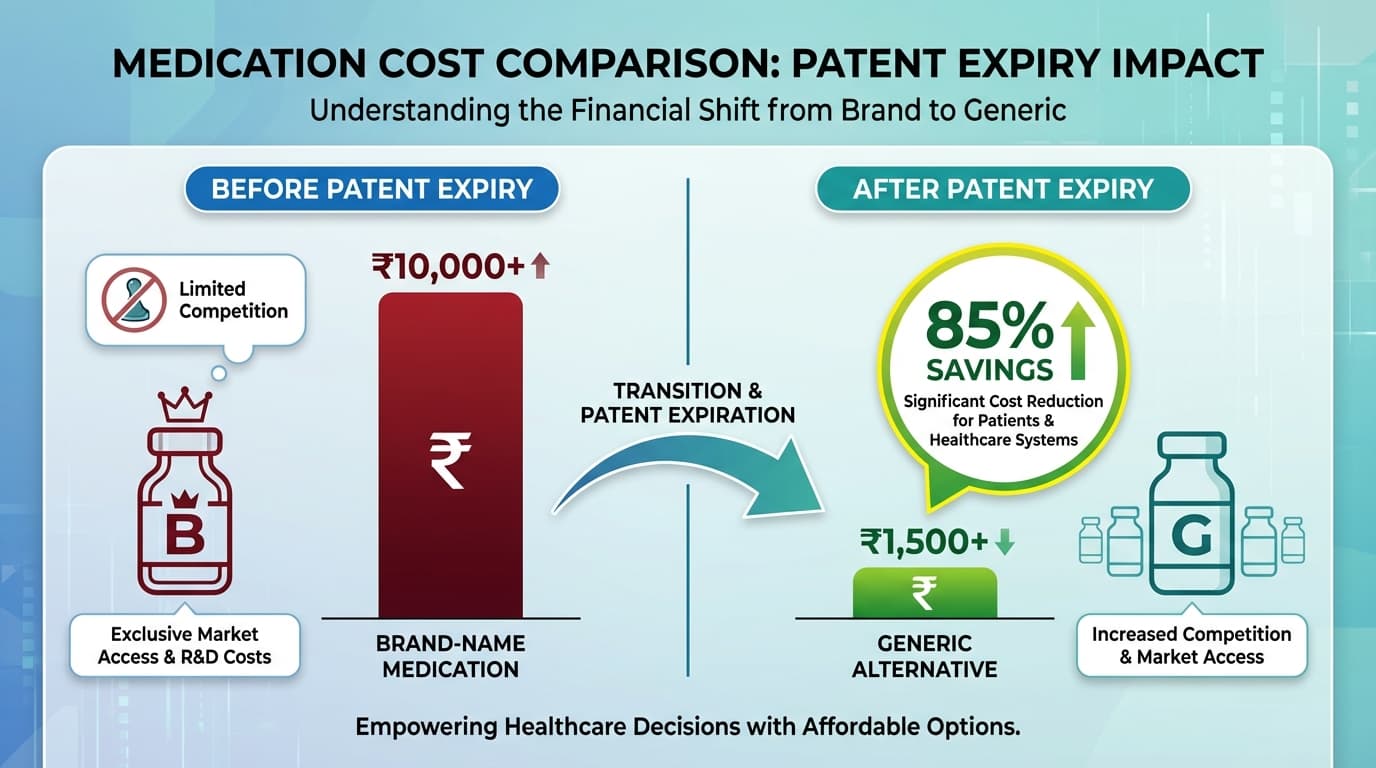
Natco Pharma wasted no time, launching their generic semaglutide vials for just Rs 1,290 per month (about $15 USD). Compare that to Ozempic's current Rs 8,800 monthly price tag in India – we're talking about a 90% price cut.
Multiple Companies Are Jumping In
This isn't just one company trying to corner the market. Sun Pharma, Dr. Reddy's, Cipla, and several others are all launching their own versions. Competition usually means even better prices down the road.
Here's what's available right now:
- Natco's multidose vials: Rs 1,290-1,750 per month
- Pen versions coming in April: around Rs 4,000
- Multiple strength options already on shelves
The catch? These are multidose vials, not the convenient pre-filled pens you might be used to. But for many people dealing with high medication costs, that trade-off might be worth it.
What This Means Beyond India
India's pharmaceutical companies don't just serve their domestic market – they're major exporters. This could potentially affect GLP-1 medication availability and pricing in other countries, though it'll likely take time to see those effects.
The timing is interesting too. While supply shortages continue to plague Ozempic and Wegovy in many countries, having multiple manufacturers producing the same active ingredient could help with availability issues.
The Bigger Picture
Patents don't expire everywhere at once, and regulations vary by country. Don't expect to see $15 semaglutide at your local pharmacy next week if you're in the US or Europe. But this does show what's possible when competition enters the picture.
For now, this is mainly good news for people in India and potentially other markets where these Indian generics might become available through proper regulatory channels.
Bottom Line
While this won't immediately help most of our readers, it's a preview of what could happen when patents expire in other markets. It also puts pressure on brand-name manufacturers to justify their pricing. Sometimes the most important changes start in unexpected places – and yesterday's patent expiry in India might be one of those moments.